

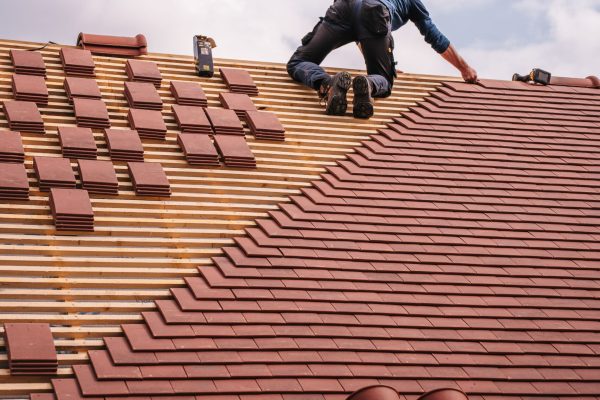
Choosing the right roofing materials is one of the most important decisions when building a new house or renovating an existing property. A roof must withstand changing weather conditions, protect the building from moisture, and complement its architectural design. The right choice can also help reduce maintenance requirements and improve the long-term value of your home.
With so many roofing products available, understanding the differences between materials, their advantages, and their installation requirements can help you make a confident decision.
Weather conditions play an important role in determining which roofing materials are suitable for your property. Rain, strong winds, snow, frost, and temperature fluctuations can all affect the performance and service life of a roof.
In regions with cold winters and frequent rainfall, roofing materials should be suitable for freeze-thaw conditions and moisture exposure. Proper installation, waterproof underlayment, ventilation, and effective roof drainage are equally important.
Before purchasing materials, check the manufacturer’s recommendations and ensure that the selected roofing system meets local building requirements.
Different roofing materials offer different combinations of durability, appearance, weight, and cost.
Concrete roof tiles are a popular choice for residential buildings because of their robust construction and variety of profiles and colors.
Advantages include:
Concrete tiles are relatively heavy, so the roof structure must be designed to support the required load.
Clay tiles are valued for their traditional appearance and natural color variations. They are suitable for many architectural styles and can provide a long service life when properly installed and maintained.
Their weight, installation requirements, and compatibility with the roof pitch should be considered before purchase.
Metal roofing is available in sheets, panels, and tile-shaped profiles. It is often selected for its relatively low weight, clean appearance, and installation efficiency.
When choosing metal roofing, pay attention to the protective coating, corrosion resistance, fastening system, and compatibility with other roofing components.
Asphalt shingles provide a flexible option for many residential roofs. They are available in different colors and styles and can be suitable for projects with specific budget requirements.
Their performance depends on product quality, roof design, installation, ventilation, and maintenance.
A roof is a complete system, not simply a covering material. Accessories and supporting components are essential for protecting vulnerable areas and ensuring reliable performance.
Important products include:
Selecting compatible products from the same system, where required, can simplify installation and help reduce the risk of leaks.
Rainwater management is a crucial part of protecting your building. Without an appropriately designed drainage system, water may overflow from the roof, run down exterior walls, or accumulate around the foundation.
When choosing gutters and downpipes, consider the roof area, roof shape, local rainfall intensity, gutter dimensions, and the number and location of drainage outlets.
The material is also important. Coated steel, aluminum, PVC, and zinc systems each have different characteristics in terms of durability, appearance, maintenance, and cost.
Regular gutter cleaning helps maintain water flow and allows you to identify damage before it becomes a more serious problem.
The purchase price of roofing materials is only one part of the total project budget.
To estimate the overall cost, include:
Comparing complete roofing systems rather than individual product prices can provide a more realistic picture of the investment.
Appearance is another important factor. Your roof occupies a significant part of the building’s exterior and can influence its overall architectural character.
Dark roofing colors can create a contemporary look, while traditional red, brown, and natural-toned tiles may complement classic designs. Neutral shades can work well with a wide range of exterior finishes.
Consider how the roof color will look alongside your facade, windows, doors, and surrounding environment. If possible, review physical samples in natural daylight before making a final decision.
Also check local planning rules and any applicable restrictions on roofing materials or colors.
Careful planning helps prevent unnecessary costs and performance problems.
Common mistakes include:
Working with experienced roofing professionals can help ensure that the selected materials are appropriate for your property and installed according to manufacturer specifications.
Choosing the best roofing materials requires balancing durability, appearance, weather resistance, maintenance, and total project cost. Whether you prefer concrete tiles, clay tiles, metal roofing, or asphalt shingles, the most suitable solution depends on your building’s design and specific requirements.
Remember that the roof covering is only one part of the system. Quality underlayment, flashing, ventilation, roof drainage gutters, and compatible accessories all contribute to a reliable and well-protected building.
Planning a new roof or renovation? Explore a range of roofing materials and accessories to find the products that meet your project’s technical requirements, design preferences, and budget.