

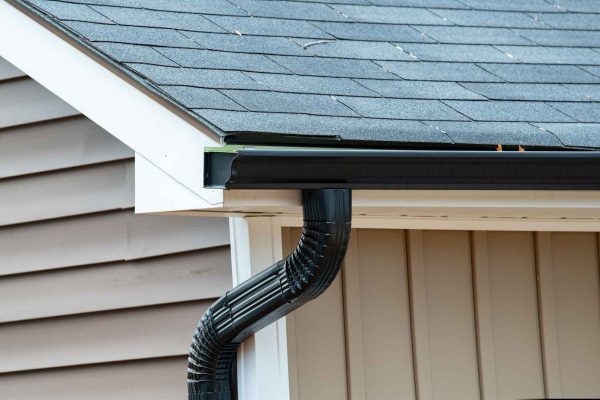
A roof does more than protect a building from the weather. It also needs an effective drainage system to manage rainwater and prevent moisture-related problems. Without properly installed gutters and downpipes, rainwater can run down exterior walls, collect around foundations, and contribute to costly property damage.
Whether you are constructing a new home, renovating an existing roof, or upgrading an old drainage system, choosing the right roof drainage products is essential for long-term protection.
In this article, we explain how roof drainage systems work, which components matter most, and how to maintain them for reliable performance.
A roof drainage system collects rainwater from the roof surface and directs it safely away from the building.
A typical system consists of several interconnected components:
Each component must be compatible with the others to ensure efficient drainage and reduce the risk of leaks.
Installing a suitable gutter system provides several important benefits for homeowners and property managers.
Without gutters, rainwater can flow directly down the building’s facade. Over time, repeated exposure to moisture may contribute to staining, deterioration of finishes, and dampness.
Gutters help control this runoff and direct water toward designated drainage points.
Water accumulating around a building can contribute to soil saturation and moisture problems. A properly designed gutter and downpipe system helps move rainwater away from the building, although appropriate ground drainage and site grading may also be necessary.
Effective drainage helps prevent uncontrolled runoff near entrances, pathways, and landscaping. This can reduce puddling and help maintain the surrounding property.
Modern roof gutters are available in various materials, colors, and profiles. Choosing a suitable design can complement the roof covering and create a neat, consistent finish.
The best gutter material depends on your budget, building design, environmental conditions, and maintenance preferences.
Steel gutters are a durable option, particularly when supplied with an appropriate protective coating. Their performance depends on coating quality, installation, and ongoing maintenance.
Aluminum gutters are lightweight and naturally resistant to corrosion. They are available in various colors and can suit many architectural styles.
PVC gutters are often chosen for their affordability, lightweight construction, and ease of installation. Their long-term performance depends on product quality and exposure to temperature changes and sunlight.
Zinc gutters offer a distinctive appearance and can provide a long service life when correctly specified and installed.
Before making a decision, compare material specifications, expected maintenance requirements, warranties, and compatibility with your existing roof system.
Gutters should be inspected regularly, especially after severe weather and during periods when leaves and debris accumulate.
Look for these common warning signs:
Addressing these issues early can help prevent more extensive repairs. If gutters are located at height, use a qualified professional rather than attempting unsafe access.
A few simple maintenance practices can help keep your drainage system working effectively.
Clean gutters regularly. Remove leaves, twigs, moss, and other debris that can obstruct water flow.
Check downpipes. Make sure water can pass through the system without restrictions.
Inspect joints and supports. Look for leaks, loose connections, and damaged brackets.
Check water discharge points. Ensure rainwater is directed to a suitable location rather than allowed to accumulate beside the building.
Inspect after storms. Strong winds and heavy rainfall can dislodge components or reveal drainage problems.
The required maintenance schedule depends on the building’s surroundings, gutter material, and local weather conditions.
Even high-quality gutters may perform poorly if they are incorrectly sized or installed.
The system must be designed for the roof’s catchment area, local rainfall intensity, gutter profile, and number and position of downpipes. Correct slope, secure brackets, properly sealed connections, and suitable water outlets are also essential.
Professional installation can help ensure that all components work together as intended and that the drainage system meets applicable building requirements.
A reliable roof drainage system is an important investment in the protection and maintenance of any building. Quality gutters, correctly installed downpipes, compatible accessories, and regular inspections help control rainwater and reduce the risk of moisture-related damage.
Whether you need a complete drainage system for a new building or replacement components for an existing roof, choosing the right products can improve functionality, appearance, and long-term value.
Planning a roofing project? Explore roof gutters, downpipes, gutter brackets, connectors, and other roof drainage accessories to find a solution that suits your building.